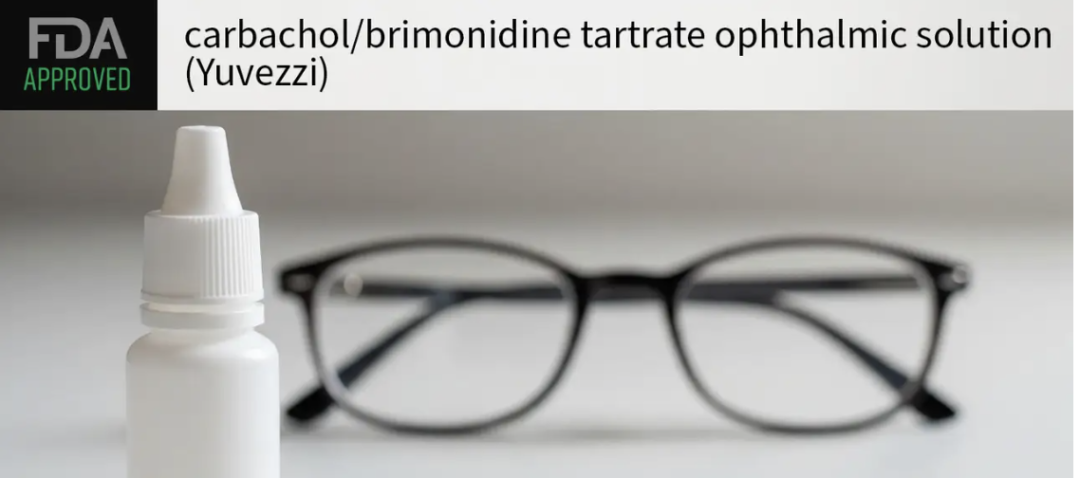
I saw that the FDA has approved YUVEZZI, an eye drop for presbyopia. Does this mean people with presbyopia will no longer need glasses and can simply use eye drops instead?
Let me give my conclusion first: I think this needs to be viewed very cautiously. Although it has FDA approval, there is still plenty of room for discussion about its use.
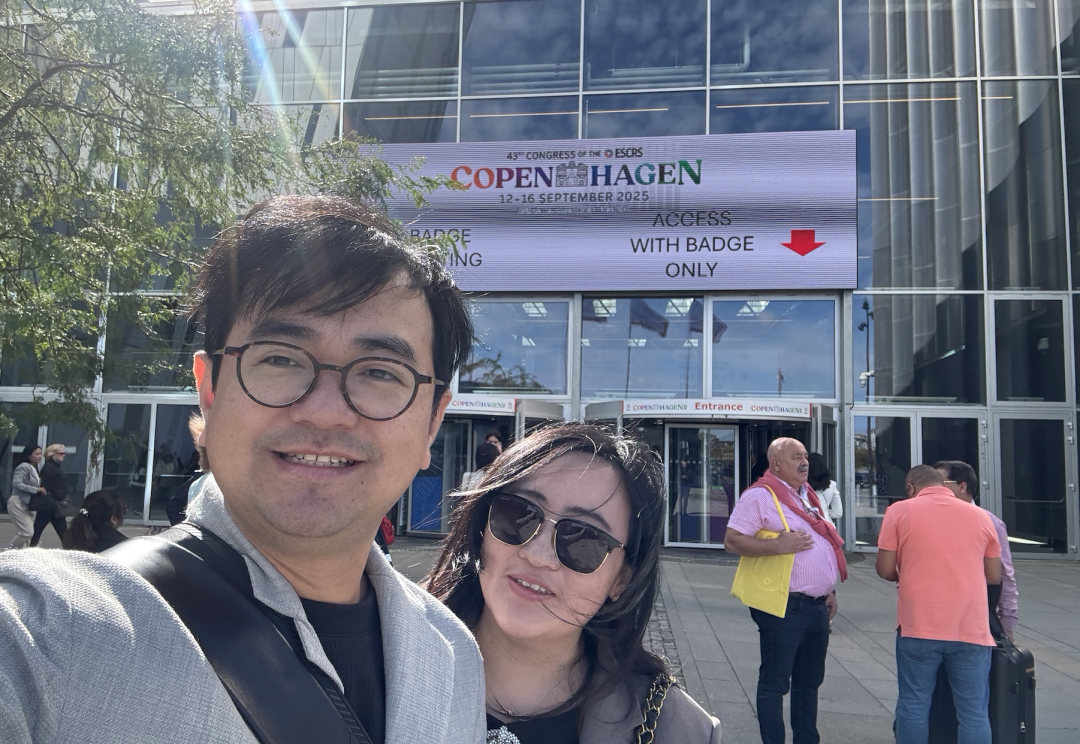
When I attended ESCRS (the European Society of Cataract and Refractive Surgeons) in Copenhagen last year, these eye drops were a very hot topic. Do not ask why a GP was attending an ophthalmology conference; I have actually attended more ophthalmology conferences than many ophthalmologists, haha. So I can still say a thing or two about eye topics.
Back to this medicine: although it is being touted as a “saviour for presbyopia”, as a GP who often has to help patients deal with all kinds of “aftermath from medicines”, and having read quite a few comments from my ophthalmology comrades, I need to throw a little cold water on those hoping to “become young again with one drop”.
What is YUVEZZI? A fancy name, but a very “retro” mechanism
It is actually a “cocktail” formulation: carbachol + brimonidine tartrate.
Simply put, its logic is “pupil constriction”. It makes your pupil very small, using the “pinhole effect” to increase depth of field and make near objects clearer. It is like squinting at your phone, except that a medicine is making you “squint by force”. This is the opposite of atropine used to treat myopia; I will talk about atropine eye drops another time when I have the chance (type 1 in the comments).
Why have many ophthalmologists commented so sharply?
At the meeting, quite a few leading ophthalmologists had many reservations about these drops. I have also summed up what everyone was excited about, and what they were worried about:
1. Retinal detachment: this is no joke
This class of pupil-constricting medicines (previously mainly Pilocarpine) carries a risk of retinal detachment.
Although the incidence is extremely low, if you have high myopia or your retina is already thin, one drop could, if you are unlucky, turn “unable to read clearly” into “unable to see the road”.
The FDA prescribing information advises a retinal examination for all patients before starting treatment. Sudden flashes of light, floaters, or vision loss require immediate medical attention.
2. “Diablo” mode
When the pupil is constricted to a pinpoint, less light naturally enters the eye. It may be fine in broad daylight, but at night, or when you enter one of Singapore’s hawker centres with strong air-conditioning but dim lighting, you may find that you seem to be wearing sunglasses: everything looks dark. The FDA prescribing information advises caution with night driving and other hazardous activities in poor illumination; do not drive if vision is unclear.
3. Headache and eye-pain warning
Forcing the pupil sphincter to “work” all day can leave many people with brow pain or pain around the eye after using the drops. It feels like making a middle-aged dad who normally does not exercise run a Standard Chartered Marathon: exhausting!
4. Creating trouble for future cataract surgery
If long-term use leaves the pupil difficult to dilate fully, any future cataract surgery could become like embroidering through a tiny skylight; the difficulty may jump from Easy mode to Nightmare mode.
My advice:
-
If you only occasionally need to read a menu: just get a pair of reading glasses. Keep the money in your CPF for retirement; do not rush to pay an “intelligence tax” for this miracle medicine, which is not yet widely available in Singapore and whose risks have not been fully ruled out.
-
If you already have a retinal problem: stay away from this medicine. Do not test the limits of fate.
-
If you are my patient: do not come to the clinic asking, “Dr. XXX, I also want to become young with one drop.” I would suggest using the money for the medicine to buy me a Kopi O Siew Dai, and then I would earnestly advise you: accept reality—presbyopia is a badge of time, and glasses are a symbol of wisdom.
The media are promoting this product everywhere. Other than being paid or chasing traffic, have they really asked one question and thought deeply about it: could the public be misled after seeing this?
To end, though, this eye drop is genuinely good in terms of innovation. After all, innovative products are not perfect at the beginning; as more people take part in research and development, I hope its shortcomings can be fixed.
Be the first to add a thoughtful comment.