Quite a few friends have recently asked me about the shingles vaccine, so today seems like a good time to write a short explainer.
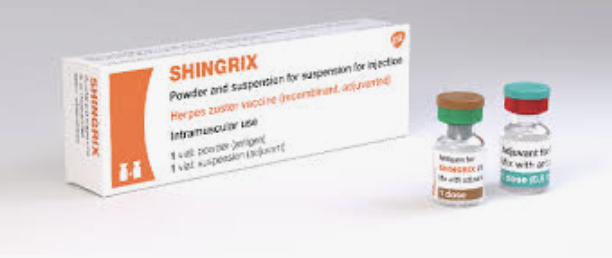
There are two considerations:
-
Whether you should get it from a medical perspective.
-
Whether it is worth getting after considering the price.
Here is a chart that gets straight to the conclusion.
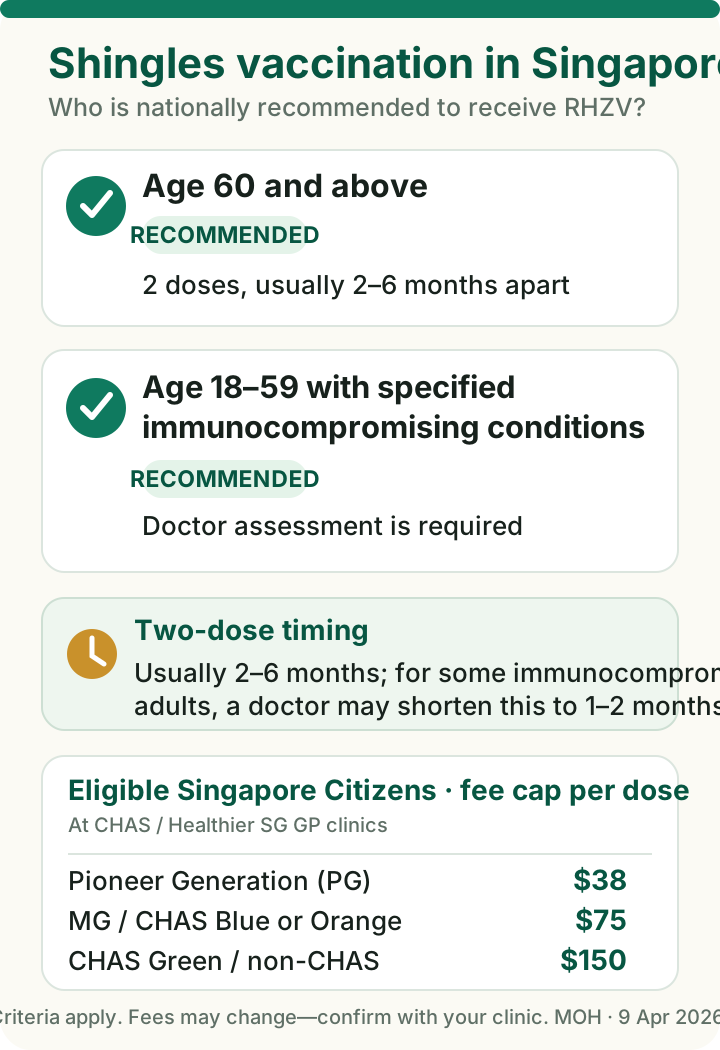
Current Singapore guidance (checked 18 July 2026): The National Adult Immunisation Schedule recommends a two-dose course for everyone aged 60 and above, and for eligible immunocompromised adults aged 18–59. The usual interval is 2–6 months; for immunocompromised adults who need earlier protection, a doctor may consider 1–2 months.
For foreigners, the original article’s January 2026 private-clinic estimate was a blunt one: no MOH vaccination subsidy, about SGD 370–470 per dose, and 2 doses in total. This is not an official fixed price; charges vary by provider, so confirm the current fee before booking.
What is shingles? (Do not call it a “snake”; it is not that fancy)
The medical name is herpes zoster, but here in Singapore, the older generation commonly calls it “生蛇”, literally “growing a snake”.
In fact, it has absolutely nothing to do with snakes. Its true identity is the varicella-zoster virus. Yes, it is the same chickenpox virus that made you itch all over and stay home from school as a child. This virus is extremely crafty: after the chickenpox clears, it does not move out. Instead, it lies dormant in your nerve ganglia, “living off the insurance indefinitely”. When you get older, become exhausted from burning the midnight oil while building a business, or have your immunity collapse after being driven up the wall by the little monster at home, it emerges to wreak havoc.
How does shingles arise?
-
It is usually reactivation, not a new infection: In the vast majority of cases, you did not catch shingles from someone else. The virus already inside you has “woken up”.
-
A window of vulnerability in the immune system: The risk rises with age and with illnesses or treatments that weaken immunity. Long clinic hours, parenting and poor sleep may feel like the backdrop, but age and immune status—not stress alone—are the established medical risk factors.
-
Transmission needs a little nuance: A person with shingles does not directly pass shingles to someone else. However, while the blisters are present and until they crust over, VZV can spread through contact with blister fluid or infectious particles and cause chickenpox in someone who has never had chickenpox or been vaccinated. Cover the rash and avoid close contact with susceptible people until it has crusted over.
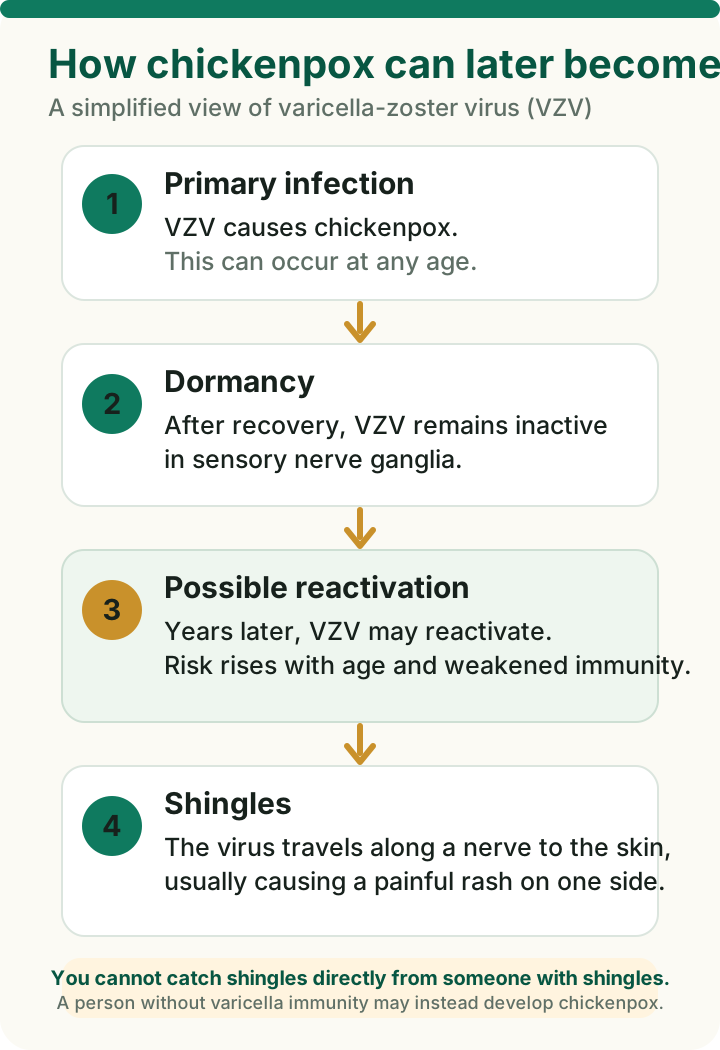
Having had chickenpox does not remove the later possibility of shingles because VZV remains latent in the body. Under Singapore’s National Childhood Immunisation Schedule, all children should receive two varicella vaccine doses from 12 months of age, at least 3 months apart. Parents should follow the age-appropriate schedule with their child’s clinician.
What lasting complications can it cause? (This is the most vicious part)
The nastiest thing about shingles is not the few blisters. It is postherpetic neuralgia (PHN).
What does this pain feel like?
-
Severe and disabling: Some patients compare it with childbirth, but pain comparisons are subjective. What matters clinically is that PHN can be intense and seriously disrupt daily life.
-
Like an electrical leak: It can feel like cutting, burning or electric shocks. Even clothes brushing against the skin can make someone feel unable to bear it.
-
Prolonged torment: The pain can last for months or even years. Imagine planning to stroll around Marina Bay after retirement, only to be stuck at home taking painkillers because your waist hurts. Your quality of life plunges below its issue price.
Summary: Do not wait until the “snake” strikes to regret it
Shingles is not anything mystical. It is a defensive battle fought by the immune system.
-
If you have had chickenpox, VZV remains in the body and may reactivate later; the risk rises with age and weakened immunity.
-
Postherpetic neuralgia can be severe and can substantially reduce quality of life.
-
Vaccination is one of the most effective ways to reduce the risk of shingles and related complications.
Sources and scope
The medical and subsidy details were checked against the following official pages during import. The private-clinic price quoted above is the author’s dated estimate, not an official tariff, and this article does not replace an individual assessment by a healthcare professional.
Be the first to add a thoughtful comment.